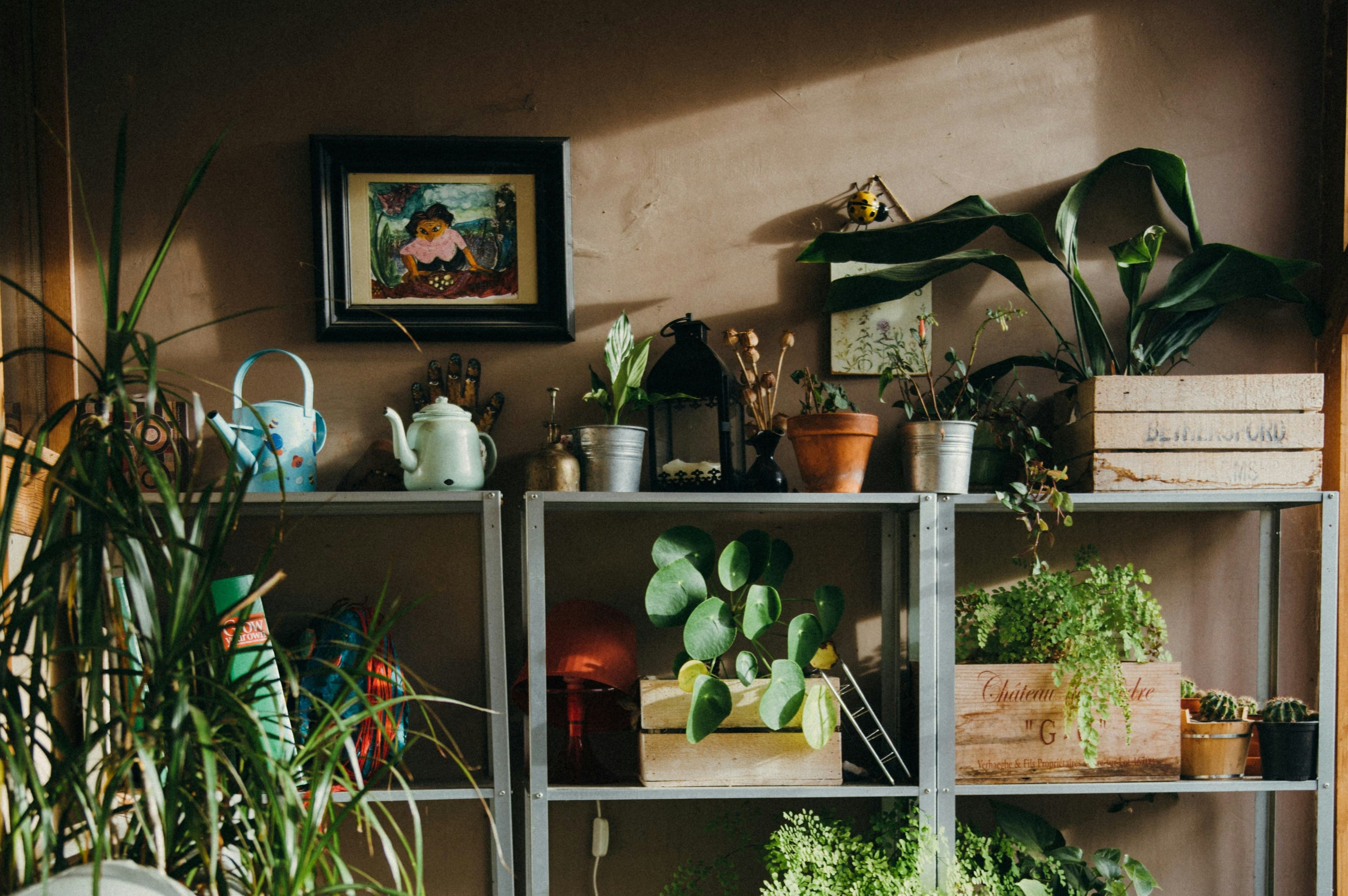
Interactive care guide
Care begins with observation
Use light, moisture, temperature, airflow, and growth signals to make measured care decisions.
A simple routine
Observe before you act
Use this repeatable sequence instead of caring for every plant on a fixed calendar.
Read the light
Notice direction, duration, seasonal change, and how far the plant sits from the window.
Check the root zone
Test below the surface and consider pot size, drainage, growing medium, and recent conditions before watering.
Look for change
New growth, leaf posture, colour, roots, and pests provide better evidence than a rigid schedule.
Change one variable
Make one measured adjustment, record the response, and allow the plant time to adapt.
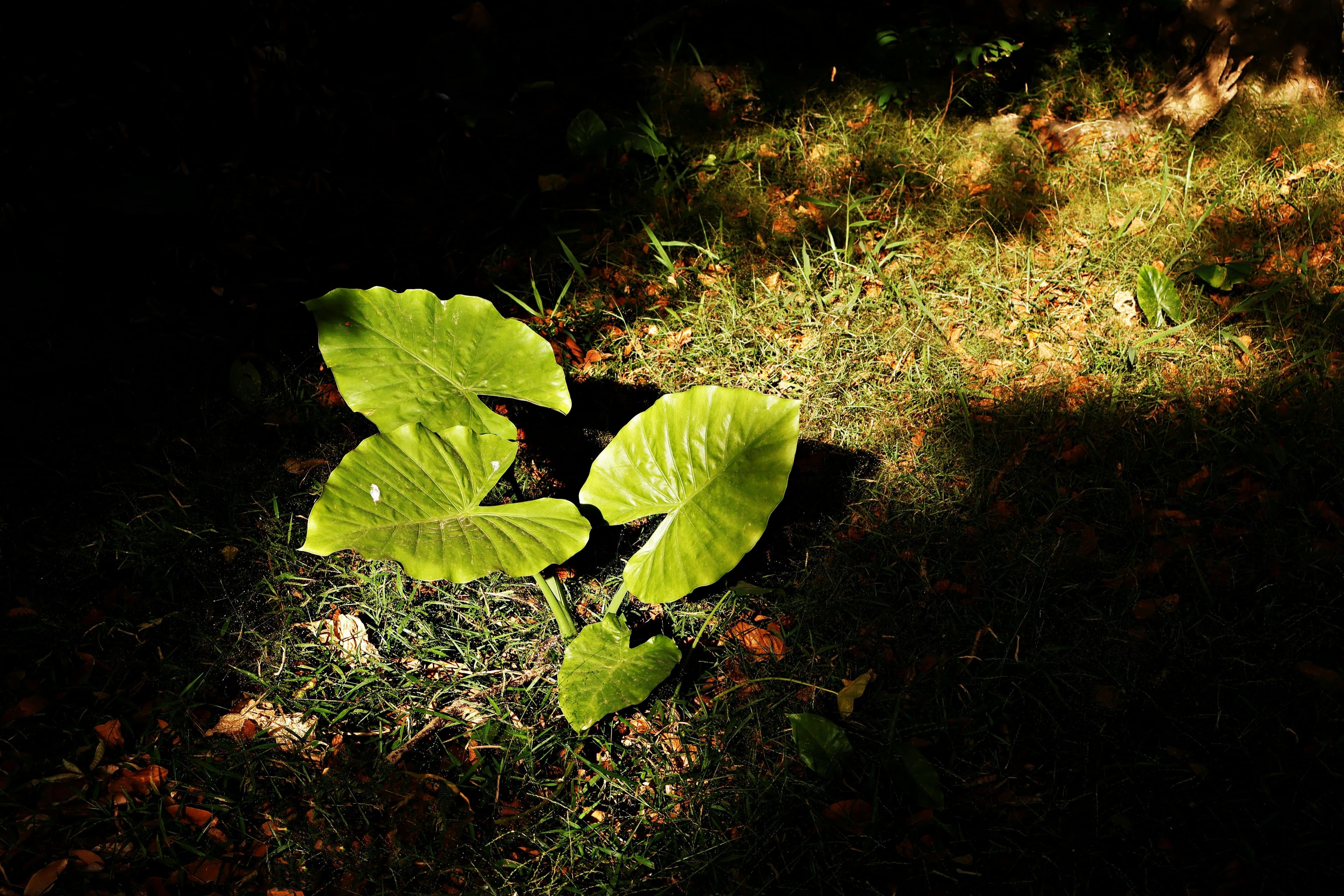
Read the light the plant receives
Room brightness is not the same as usable light at leaf level.
Observe the window direction, distance from the glass, shadows across the day, and seasonal change. If a plant needs a new position, move it gradually and watch how new growth responds rather than judging from a single day.
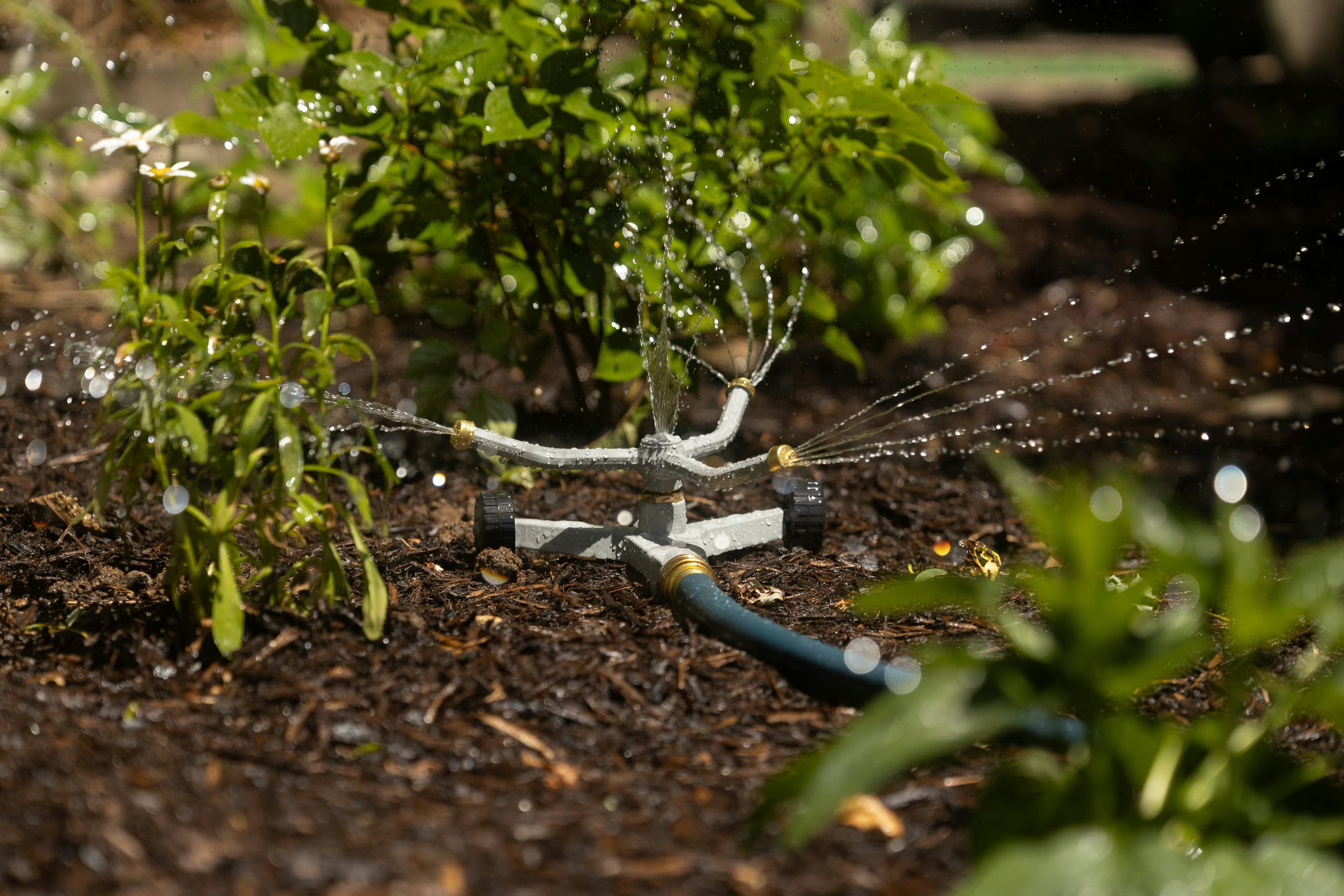
Water from evidence, not the calendar
The same plant can dry at different rates as light, temperature, airflow, roots, and seasons change.
Check moisture below the surface, consider the weight of the pot, and confirm that excess water can drain. Watering frequency is a result of the current conditions—not a universal number of days.

Let patterns guide the next step
One yellow leaf or a temporary change in posture does not identify a cause by itself.
Look at which leaves are affected, whether new growth is healthy, what changed recently, and whether roots or pests need closer inspection. Make one careful adjustment when possible, then give the plant time to show a response.
Care checkpoints
Start with what you can observe
These guidelines are educational. Species needs, local conditions, and the plant's current state remain important.
The leaves are yellowing. Should I water more?
Not automatically. Check moisture, drainage, light, temperature, roots, recent changes, and which leaves are affected before changing the routine.
How do I know whether the light is sufficient?
Observe growth over time and compare the position with the plant's known light preference. Move gradually and avoid abrupt exposure to stronger direct sun.
When should I repot?
Repot when the plant or growing medium needs it, not simply because time has passed. Persistent drainage problems, degraded mix, unstable growth, or a congested root system can be useful signals.
Should I fertilise a plant that looks stressed?
First identify the likely conditions behind the stress. Fertiliser does not correct every problem and can add another variable while a plant is already adjusting.
Continue learning
Build your care practice one observation at a time
Read longer field notes in the Botanical Journal or contact Plantae when a general guide is not enough.